The Homeowner's Guide to Budget Septic System Emptying and Upkeep
Business Name: Elite Sanitation Services
Address: Saucier, MS 39574
Phone: (228) 297-4850
Elite Sanitation Services
Since 2016, Elite Sanitation Services has been the premier provider for all your sanitation needs. We deliver comprehensive solutions. Our expert team ensures seamless service for events and construction sites, handling everything from septic system services to grease trap pump-outs and jetting services. We are dedicated to providing superior sanitation services with unmatched reliability and professionalism.
Saucier, MS 39574
Business Hours
A healthy septic system is a peaceful partner. When it works, you barely think of it. When it fails, you consider little else. A backup on a vacation weekend, a soaked spot over the drain field, a whiff of sulfur near the tank cover, these issues bring genuine costs and a reasonable amount of tension. The good news is that regular care, specifically smart septic system emptying and regular septic system maintenance, keeps surprises unusual and expenses predictable.
I have stood in more than one yard with a homeowner who waited a year or more too long for septic system pumping. The first sign was frequently sluggish drains pipes. The second was a damp spot over the drain field. By the time we opened the lid, a thick mat of solids had pushed into the outlet, threatening the field. A 2 hour pumping see would have cost a couple of hundred dollars. A damaged drain field can face the 10s of thousands.
This guide focuses on practical, budget plan friendly methods to handle septic system emptying, sewage-disposal tank cleaning, and the everyday routines that extend the life of your system.
How a septic system in fact works
A conventional system has three main parts. The tank, the distribution elements, and the drain field. Wastewater flows into the tank where solids settle to form sludge, fats increase to form residue, and reasonably clear effluent exits through a baffle to the field. The drain field disperses that effluent into the soil, which filters and deals with it.
The tank is not a digestive system that removes whatever. It is more like a settling pond with practical bacteria. Sludge and scum collect. If they are not removed through sewage-disposal tank pumping at the best interval, they migrate to the outlet and block the drain field. That is the costliest failure mode, and it is preventable.
What septic system pumping truly does
There is an old argument about whether you require septic tank cleaning versus basic pumping. In typical usage, pumping suggests a truck gets rid of liquids and as many solids as can be vacuumed. Cleaning up in some cases indicates more comprehensive agitation to break up solids or a rinse. For the majority of homeowners, an appropriate pump out that leaves sludge and scum suffices. Heavy, long neglected sludge may require extra effort. The specialist might backflush within the tank and stir settled solids to Septic Pumping elitesanitationservices.com clear them. The goal is basic, get rid of the materials your germs can not and need to not handle.
Expect an expert to do more than simply pump. An excellent visit includes opening and examining both inlet and outlet baffles, determining scum and sludge densities, checking the effluent filter if present, and keeping in mind signs of concerns like root invasion, damaged tees, or a sagging baffle. Request for these checks. They take minutes, and they settle in early detection.
How typically must you pump, and why the responses vary
Rules of thumb aid, however they are not the whole story. For a 1000 gallon tank serving a three to 4 person household, every 3 to 5 years is a safe period. If your home has a garbage disposal that gets regular use, shorten that to every 2 to 3 years. If you have a 1500 gallon tank and a 2 person home, you might comfortably stretch to 5 to 7 years, provided your water use is moderate.
The big variables are tank size, variety of occupants, water use, and what you send down the drains. I have seen a retired couple go 8 years between pump outs because they used water moderately and did not use a disposal. I have actually also seen a young household with a little 750 gallon tank, a new baby, and a fondness for weekend laundry marathons require pumping in 18 months. If you wish to move from uncertainty to precision, ask your pumper to measure scum and sludge layers at each go to. When the combined layers approach 30 to 40 percent of the tank's liquid depth, it is time to arrange pumping.
What it costs and how to budget plan without surprises
Most house owners in the United States pay between 250 and 600 dollars for septic tank pumping throughout regular organization hours. Larger tanks cost more, rural trips that take an extra hour might consist of a travel charge, and heavy solids can include time. An emergency situation see after hours frequently includes 100 to 300 dollars. If lids are deep and there are no risers, expect an additional charge for digging, generally 50 to 200 dollars depending on depth and soil.
Smart budgeting takes a look at the multi year rhythm. If you pay 450 dollars every 4 years, your annualized cost is simply over 110 dollars. Set aside 10 dollars a month and you never ever feel the hit. If you just moved into a home and the system's history is a mystery, allocate 500 to 700 dollars in your very first year for inspection, risers if needed, and a baseline pump out. When the system is established for easy access and you have a measurement history, the continuous cost generally drops.
Drain field repairs are the spending plan breaker. Replacing a failing standard field can range from 8,000 to 25,000 dollars depending on soil, access, and local regulations. Pumping on time is the cheapest insurance you will ever buy.
Paying less without cutting corners
There are ways to keep costs low without compromising care.
First, make gain access to easy. If a team spends 45 minutes searching covers and digging through roots, the clock runs and your bill grows. Install risers to bring covers to grade. Anticipate to pay a couple of hundred dollars per riser when, then enjoy quick, clean service for years.
Second, schedule in the off season. Spring and early summer are busy, and so are late fall weekends before holidays. If you can be versatile, midweek appointments in quieter months in some cases feature much better rates.
Third, combine services. If your tank has an effluent filter, request for sewage-disposal tank cleaning of the filter at the same visit. Numerous companies include it if they are already there. If you and a next-door neighbor both require pumping, inquire about an area discount. One truck, 2 jobs, less travel time.
Fourth, be clear about scope and costs. When you call, share tank size if you understand it, range from driveway to the tank, whether covers are exposed, and when it was last pumped. Request a not to surpass rate unless there is an unexpected issue. Surprises shrink when both sides share details.
What you can do it yourself, and what you must not
Homeowners can handle basic sewage-disposal tank maintenance that settles in both performance and budget plan. Conserve water, fix drips, spread out laundry loads through the week, and keep grease, wipes, and chemicals out of the system. You can also keep records, mark the tank area, and install risers if you come in handy and comfortable working to code.
There are clear lines not to cross. Never get in a septic tank. The environment inside can end up being oxygen poor and can include harmful gases. Do not attempt to pressure wash a drain field or try non-traditional additives to resurrect a dead field. Those efforts typically fail and can make things worse. Leave sewage-disposal tank pumping to licensed pros with the right equipment and security training. If you smell sewer gas near the tank or see evidence of a structural fracture, call a professional.
The peaceful day to day routines that matter
Most premature failures trace back to daily habits. Water volume and what trips along with it is the story.
Shorten showers by a few minutes, replace old 3.5 gallon flush toilets with effective 1.28 gallon models, and skip running the dishwasher half complete. These changes relieve the load on the tank and the drain field. Spread laundry across the week instead of doing 5 loads on Saturday. High volume spikes can stir the tank, push solids towards the outlet, and flood the field.
What you pour matters. Cooking grease and oils harden and contribute to the residue layer. Bleach and severe cleaners in little, intermittent quantities are probably fine, however heavy, regular usage can slow bacterial action. Anti-bacterial soaps, paint thinners, solvents, and medications do not belong in the system.
The waste disposal unit should have a frank appearance. It is hassle-free, but it grinds food that bacteria are sluggish to digest. That added natural load fills the tank faster and shortens the interval in between pump outs. If you can not give up the disposal entirely, utilize it lightly and accept a more frequent pumping schedule.
Choose toilet tissue that breaks down easily. Most of traditional two ply brands work great, however some ultra soft, multi ply products stick together longer. If you wish to check, put a couple of squares in a glass jar with water, shake for 30 seconds, and see if it shreds. If it does, your tank will cope.
Additives, enzymes, and other myths
Walk through a hardware shop and you will see shelves of ingredients that claim to decrease sewage-disposal tank pumping needs. In a healthy system with typical use, you do not need them. Your tank currently consists of the germs it needs. Enzyme or germs products might not harm a healthy tank in modest dosages, however they generally do not replace the need for pumping. Products that promise to liquify solids can press fat and little particles into the drain field, the last place you want them.
There are cases where an expert may use a specific bioaugmentation product, frequently after a chemical shock or a long vacancy. That choice is targeted and short-term. If you find yourself tempted by a monthly jug that declares to thin sludge, put that cash into your pumping fund instead.
Reading the signs before they become bills
Pay attention to small modifications. A faint sulfur smell near the tank lid after a long rain can be safe, however a persistent odor on dry days should have a look. Slow drains pipes throughout your home indicate a main line concern. If your lawn reveals a lusher, greener stripe above the drain field during dry weather condition, that might be early surfacing of effluent. Gurgling toilets after a huge laundry day, damp soil near assessment ports, alarm lights on aerobic systems, all of these are early flags. Early suggests cheap.
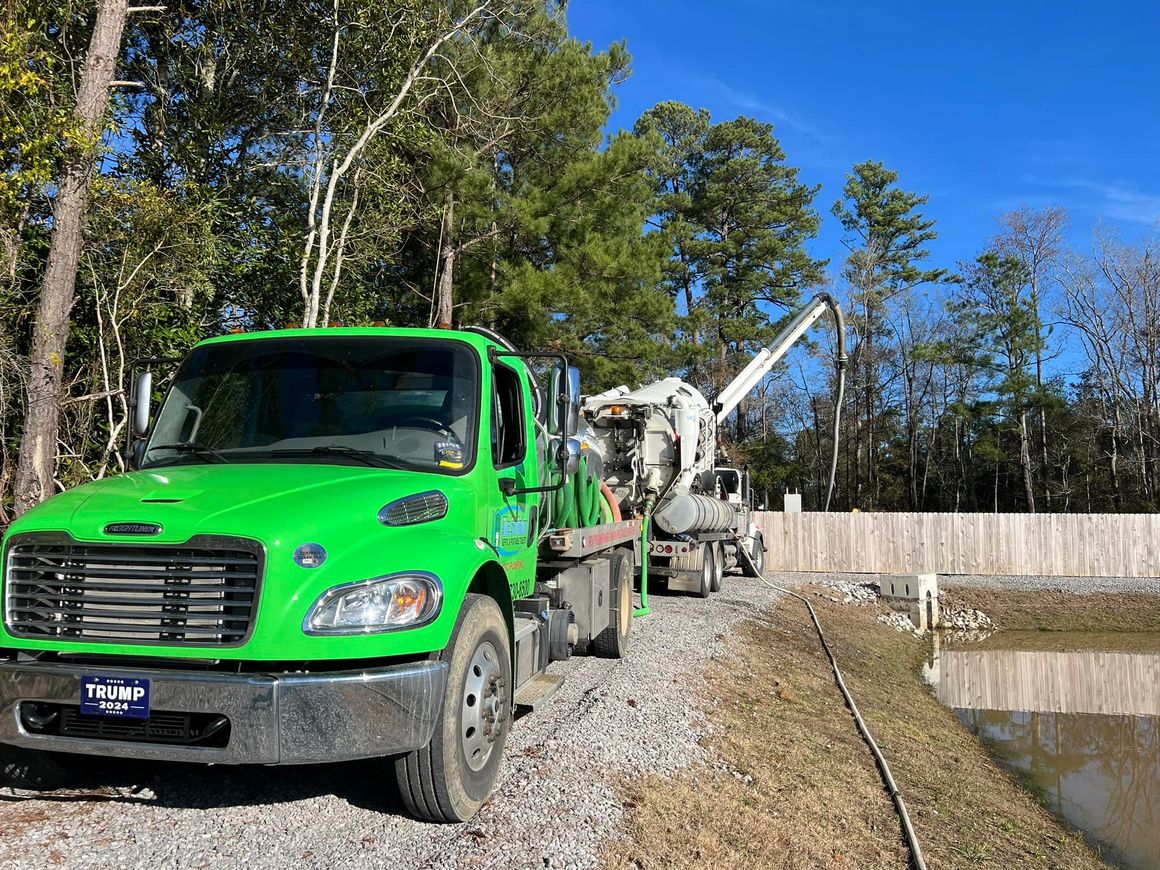
When you set up septic tank emptying due to the fact that of symptoms rather than a calendar, ask the professional for a mindful evaluation. Issues captured early typically boil down to a blocked effluent filter, a displaced baffle, or root intrusion that can be cleared without excavation.
Preparing your property for a smooth, low cost pump out
Here is a short, budget plan minded list that reduces time on website and keeps your bill down.
- Locate and expose lids in advance, or have actually risers set up to bring them to grade.
- Clear a path for the pipe from driveway to tank, moving cars and trucks, grills, or furnishings if needed.
- Note where landscaping or watering lines cross the path, then flag them for the crew.
- Have water offered for testing and light rinsing, a garden tube is fine.
- Keep pets inside and protect gates so the crew can work without delays.
Records, measurements, and a simple tool that spends for itself
If you wish to time pump outs rather than thinking, track residue and sludge. At pump time, ask the tech to determine and tape them. In between pump outs, you can make a simple sludge judge from a clear pipeline with a check valve, or purchase one made for the purpose. Lots of homeowners choose to leave measurements to a pro, and that is fine. If you do measure, never lean over the tank opening more than required, remain back from edges, and cap openings securely.
Keep a folder with your site map, tank size, dates and costs of service, and keeps in mind about any problems. Over 10 years, this one routine saves cash. When you sell your home, those records also offer purchasers confidence.
Respect the drain field, it is doing the heavy lifting
Once effluent leaves the tank, the soil deals with treatment. Protect that area. Keep automobiles and equipment off it. Repetitive weight compacts soil and breaks pipelines. Plant turf or shallow rooted groundcovers over the field. Skip trees and shrubs, even small ones can send out roots into pipes.
Manage roofing and surface area overflow so it does not flood the field. If water pools after storms, think about shallow swales or downspout extensions to divert circulation. A perpetually damp field can not deal with effluent well. In winter environments, avoid insulating the field with thick snow just to drive over it and compress the layer. Cold snaps go easier on systems with stable insulating cover.
Local codes and why they matter to your wallet
Septic guidelines are local. Counties and health districts set requirements for pump frequency, examinations throughout home sales, and approvals for repairs. Calling a regional, licensed business keeps you inside those limits. It likewise prevents paying twice when a well meaning handyman does work that stops working examination. If your lids are more than a foot below grade, some areas now need risers for safety and access. That little investment pays for itself the very first time you prevent a digging fee.
If your property sits near a lake, river, or sensitive watershed, anticipate more stringent oversight and possibly more regular assessments. These rules exist to protect groundwater and wells. From a budget plan point of view, they are predictable line products when you discover the schedule.
Seasonal rhythms and trip homes
If you own a cabin or part time home, pumping schedules shift. Bacteria populations ebb throughout long jobs, and solids stratify more securely. When you open a location for the season, calm down the first week. Provide the system time to awaken before heavy laundry or big events. If it has actually been more than 5 years considering that the last pump out and you expect visitors, schedule septic tank pumping early in the season. Frozen covers are costly to expose, so in cold climates, autumn pump outs are friendlier to your spending plan than midwinter emergencies.
When a bargain is not a bargain
Low advertised rates can conceal fees. A flyer might scream 199 dollars, then add per foot hose pipe charges, disposal surcharges, and digging costs that bring you back to market value or higher. A fair rate from a reputable business includes travel within a normal radius, a standard hose pipe length, and disposal. Affordable include ons cover real work such as digging, extra deep tanks, or extraordinary solids. A business that addresses questions clearly makes your repeat business.
If a specialist recommends a product or service you do not recognize, ask what problem it fixes and how success will be measured. Credible operators welcome clear questions. The goal is not to invest the least on the day, it is to spend the least over the life of your system.
Common cash conserving mistakes to avoid
- Delaying pumping to save on this year's budget, just to run the risk of field damage next year.
- Planting trees over the drain field since the yard looks sparse.
- Ignoring a missing out on or broken outlet baffle, a low-cost part that safeguards a pricey field.
- Flushing wipes that state flushable, they are sluggish to break down and obstruct filters.
- Running a pipe into the tank to "thin it out" so you can postpone pumping, which can float the residue into the outlet.
A practical very first year prepare for a brand-new homeowner
If you are new to your house and your septic system is a secret, begin with discovery. Discover the tank and field. If the tank lids are buried, pick risers so future gos to are easy. Schedule sewage-disposal tank emptying unless you have ironclad records from the previous owner. During that visit, request a complete look at the inlet and outlet, baffles, effluent filter, and visible signs of leakage. Take photos of covers, risers, and filter location. Mark the tank location on an easy sketch that shows the driveway and long-term landmarks.
Adopt friendly habits right away. Spread laundry, toss food scraps in the trash or compost, and teach kids not to flush wipes or toys. Stroll the field after heavy rains and after your busiest water days to discover how it acts. If smells or wet areas show up, address them early.
With that structure, your continuous care ends up being routine. Your next require septic tank cleaning or pumping will be on your schedule rather than forced by signs. The budget piece settles into a foreseeable rhythm.
What an excellent service see looks like
When the truck gets here, the operator welcomes you and evaluates the plan. They confirm cover areas, set up the hose pipe without squashing garden beds, and open the covers carefully. As they pump, they watch what emerges. Heavy grease hints at kitchen routines. Plastic debris indicate wipes or health products. A fast assessment of the baffles exposes wear or breaks. If there is an effluent filter, they pull it and rinse it up until clean. Before they close, they provide notes, possibly a picture of a hairline fracture in a baffle to monitor at the next visit, and leave the site neat. You receive an invoice with volume pumped, findings, and recommended period to the next service.
This level of care does not cost more time than a bare bones pump out, and it provides you knowledge you can use. Understanding keeps spending plans stable.
A short word on unusual systems
If your home has an aerobic treatment system, a pump tank, or a mound system, the principles stay comparable however the information alter. Aerobic units typically need quarterly or semiannual assessments, air pump upkeep, and filter cleansing. Pump tanks with alarms need to be checked during service visits. Mound systems require alert surface area water control and gentle landscaping. When in doubt, lean on local know-how and the maker's handbook. Cutting corners on these systems gets pricey fast.
Bringing all of it together
Septic systems reward constant, basic care. Timely sewage-disposal tank pumping, sincere sewage-disposal tank maintenance habits, and clear eyes on expenses avoid drama. You do not require magic ingredients or complicated routines. You need a calendar tip, a small regular monthly set aside for service, attention to what goes down the drain, and a relied on local pro you can call by name.
If you treat the tank and the field like the quiet workhorses they are, they will return the favor. Fewer emergency situations, less nasty smells, lower life time costs. That is an offer any house owner can live with.
Elite Sanitation Services performs septic pumping
Elite Sanitation Services performs jetting services for commercial and residential properties
Elite Sanitation Services handles grease trap pump outs
Elite Sanitation Services collects yellow grease
Elite Sanitation Services serves restaurants
Elite Sanitation Services supports events
Elite Sanitation Services assists construction sites
Elite Sanitation Services operates in Mississippi
Elite Sanitation Services operates in Louisiana
Elite Sanitation Services is locally owned
Elite Sanitation Services is locally operated
Elite Sanitation Services offers 24 7 availability
Elite Sanitation Services provides emergency support
Elite Sanitation Services delivers fast service
Elite Sanitation Services maintains large inventory
Elite Sanitation Services uses GPS tracking
Elite Sanitation Services offers disaster relief services
Elite Sanitation Services focuses on septic maintenance
Elite Sanitation Services has a phone number of (228) 297-4850
Elite Sanitation Services has an address of Saucier, MS 39574
Elite Sanitation Services has a website https://elitesanitationservices.com/
Elite Sanitation Services has Google Maps listing https://maps.app.goo.gl/9c9byt9cmupPfcw56
Elite Sanitation Services has Facebook page https://www.facebook.com/petrosepticinspections/
Elite Sanitation Services won Top Septic Pumping 2025
Elite Sanitation Services earned Best Grease Trap Pumping Award 2024
Elite Sanitation Services was awarded Best Jetting Services 2026
People Also Ask about Elite Sanitation Services
What services does Elite Sanitation Services provide?
Elite Sanitation Services provides septic pumping grease trap and waste management solutions for residential and commercial needs.
Where does Elite Sanitation Services operate?
Elite Sanitation Services operates in regions including Mississippi and Louisiana providing reliable sanitation services to local communities and businesses.
Does Elite Sanitation Services handle septic tank pumping?
Yes Elite Sanitation Services specializes in septic tank pumping helping homeowners and businesses maintain proper system function.
Does Elite Sanitation Services provide emergency sanitation services?
Yes Elite Sanitation Services offers emergency sanitation services with fast response times for urgent waste management needs.
What industries does Elite Sanitation Services serve?
Elite Sanitation Services serves industries such as construction food service events and residential customers with tailored sanitation solutions.
Does Elite Sanitation Services clean grease traps?
Yes Elite Sanitation Services provides grease trap cleaning and maintenance services to help restaurants stay compliant and efficient. Including jetting services.
Is Elite Sanitation Services locally owned?
Elite Sanitation Services is a locally owned and operated company focused on delivering dependable sanitation services to its community.
What are jetting services offered by Elite Sanitation Services?
Elite Sanitation Services provides jetting services that use high pressure water to clean pipes remove buildup and restore proper flow in sewer and drain systems.
When should I use Elite Sanitation Services for jetting services?
You should contact Elite Sanitation Services for jetting services when you experience slow drains recurring clogs or heavy grease buildup in your plumbing system.
Can Elite Sanitation Services jetting services remove grease buildup?
Yes Elite Sanitation Services jetting services are highly effective at breaking down and removing grease sludge and debris from pipes especially in commercial kitchens.
Are Elite Sanitation Services jetting services safe for pipes?
Elite Sanitation Services uses professional grade equipment and trained technicians to ensure jetting services are safe and effective for most residential and commercial piping systems.
Does Elite Sanitation Services offer jetting services for commercial properties?
Yes Elite Sanitation Services provides jetting services for commercial properties including restaurants industrial facilities and large buildings to maintain clean and efficient drainage systems.
Where is Elite Sanitation Services located?
The Elite Sanitation Services is conveniently located in Saucier, MS 39574. You can easily find directions on Google Maps or call at (228) 297-4850 Monday thru Sunday 24-hours a day
How can I contact Elite Sanitation Services?
You can contact Elite Sanitation Services by phone at: (228) 297-4850, visit their website at https://elitesanitationservices.com/ or connect on social media via Facebook
After a day at Airey Lake Recreation Area in the De Soto National Forest many visitors and crews schedule Septic Pumping Grease Trap Pumping Jetting Services and Portable Toilet Rental for campsites gatherings and work zones nearby.