Reliable Septic Tank Emptying and Setup: Smart, Cost-Saving Methods
Business Name: Elite Sanitation Services
Address: Saucier, MS 39574
Phone: (228) 297-4850
Elite Sanitation Services
Since 2016, Elite Sanitation Services has been the premier provider for all your sanitation needs. We deliver comprehensive solutions. Our expert team ensures seamless service for events and construction sites, handling everything from septic system services to grease trap pump-outs and jetting services. We are dedicated to providing superior sanitation services with unmatched reliability and professionalism.
Saucier, MS 39574
Business Hours
Most septic troubles do not start with a dramatic failure. They start with a slow gurgle in the tub, a spot of greener lawn over the lateral lines, or a faint sulfur odor that appears after a rain. The good news is that reliable service and a few clever options during setup can keep your system peaceful, odor complimentary, and affordable to own for decades. I have pumped tanks after holiday weekends, designed systems in clay soil that would not perk in July, and changed crushed laterals under a brand-new driveway. The patterns repeat. Owners who comprehend how the system works and prepare for simple access spend less, stress less, and enjoy cleaner yards.
What "dependable" truly means
For sewage-disposal tank emptying to be genuinely dependable, it needs to be predictable. That means your tank is accessible all year, you know approximately when your next septic system pumping is due, and you can call a company who knows your system. Trustworthy is not the most affordable pump truck you can discover after a backup. Trustworthy is preparing so you only pay for what you need, at the best period, with no emergency situations. On the installation side, dependable means a system matched to your soil and slope, parts that are easy to inspect, and a layout that is secured from vehicles and roofing system runoff.
How a septic system actually deals with waste
Everything begins in the tank. Solids settle to the bottom as sludge. Fats, oils, and grease float to form residue. Liquid in the middle, called effluent, leaves the tank and enters the drainfield, where the soil does the great polishing. Germs do nearly all the work, both in the tank and in the soil. If you press more water and solids through than the system can absorb, or you let solids develop to the outlet, you will move sludge into the drainfield. That is the start of costly trouble.
Two information frequently get missed. Initially, the difference in between sewage-disposal tank pumping and septic tank cleaning. A thorough cleansing eliminates both liquids and solids, and rinses back settled material so you get one of the most capacity brought back. A partial pump can leave inches of sludge that shorten the interval till your next service. Second, modern tanks normally have an effluent filter at the outlet. Filters secure the field however they obstruct by design. A clogged up filter mimics a complete tank and can trigger sluggish drains pipes through the entire house.
Signs you need service now
- Slow drains pipes throughout your house, particularly after laundry days, or gurgling in the most affordable shower
- Odors near the tank or at the cleanout, or a sewage smell in the basement
- Soggy or unusually green locations over the tank or laterals, especially when the remainder of the lawn is dry
- A high water level when you open the tank gain access to, or an effluent filter alarm sounding
- Backups after heavy rain when roofing system drains pipes or sump pumps release near the field
If those show up, stop utilizing large volumes of water, pause the dishwasher and laundry, and call a certified company. Do not open the tank and climb in. Septic gases can knock you out in seconds.
How typically to schedule septic system pumping
There is nobody response. The right interval depends on tank size, family size, whether you use a waste disposal unit, and your water utilize patterns. As a rough standard, a 1,000 gallon tank serving a family of four that utilizes a disposal generally needs sewage-disposal tank emptying every 2 to 3 years. The very same tank with 2 people and no disposal can stretch to 5 to 6 years. If you captivate often or run a short term rental, prefer the much shorter end.
I prefer an easy guideline. Pump when, then measure. Ask your professional to record sludge and residue density before they upset anything. If sludge plus scum equals one third of the tank's working depth, you were on time. If it is less than a quarter, you can extend by a year. Keep that record. After two cycles you will have an interval that fits how you live. Excellent companies will leave you a tag or email with the date, the levels, and a pointer window for the next service.
What a proper septic tank cleaning includes
When I bring up for septic system cleaning, I want both tank covers exposed. Modern tanks have actually 2 compartments split by a wall, and each requirements to be pumped. If the lids are below grade, I will dig, but that includes expense and time. The pipe goes in, the liquid comes out initially, then I gently backwash to suspend the settled sludge so it can be removed. I inspect the baffles and the outlet filter, and I verify the inlet is not obstructed. If the filter is crusted with fibers and grease, I rinse it with clean water and I reveal the owner how to pull and wash it twice a year. A last visual check of the tank structure, cover seals, and any indications of root invasion ends up the job.
A fast pump without agitation, or only opening the inlet cover, leaves solids behind and gives you a false complacency. That type of faster way is how individuals end up calling again 6 months later.
Cost saving moves before the truck arrives
You can shave a real quantity off your service expense with a little prep. Map your covers and keep the area clear. If your covers are buried, include risers to grade and you will stop spending for digging permanently. In many markets, risers pay for themselves after two pump-outs. Mark the path from the driveway to the tank with flags if the yard layout is puzzling. Move cars and trucks, furniture, and garden planters so the professional can pull tube in a straight shot. If you have family pets, protect them. If you know your effluent filter clogs typically, plan to clean it the week before a huge gathering instead of awaiting a weekend emergency situation. Some towns permit you to set up with neighbors for the very same day so the business can lower travel and pass along a group rate. It never ever harms to ask.
I would also avoid running laundry that early morning. High inbound circulation while we are pumping can churn the tank and make it harder to get a clean result.
The reality about additives and DIY tricks
I get inquired about yeast, packages, and "miracle" enzymes a minimum of two times a month. You do not need them for typical operation. The germs currently in the system are the best ones, and they have all the food they could want. Enzymes that melt solids might move sludge into the drainfield before it has digested effectively, which beats the purpose of the tank. If you had a sewer backup treated with bleach, or you just took a course of strong prescription antibiotics, do not panic. The system will rebound. Go simple on water for a couple of days and let it repopulate. Real septic tank maintenance is physical, not chemical. It is pumping on time, cleaning up the outlet filter, and keeping the field dry and uncompacted.
Habits that extend the life of your system
It sounds fundamental, however I have actually enjoyed easy modifications avoid 5 figure repairs. Fix running toilets and drippy faucets, they can add numerous gallons daily. Spread laundry over the week rather of doing 6 loads on Sunday. Garden compost cooking area scraps and skip the disposal if your household can manage it, that one device includes 25 to 50 percent more solids in many homes. Direct roofing downspouts and sump pumps far from the field. Keep deep rooted trees out of a 20 to 30 foot buffer around laterals. And please, no wipes, even the ones identified flushable. They tangle in pumps, obstruct filters, and sit in tanks like rope.
When the drainfield is the problem
If your tank is clean and the filter is clear however you still have backups, the field might be filled or obstructed. In damp springs I see this after long rains when the water table increases into the trenches. Often it clears when the ground dries. In some cases the biomat in the trenches is so thick it stops accepting water. There are rejuvenation methods like low pressure dosing and rest cycles, but not every lawn is a candidate. If you have restricted space and you understand your field is aging, maintaining it with cautious water usage and on-time sewage-disposal tank pumping purchases time. Once sewage surfaces in the backyard or you smell strong odors over the laterals in dry weather condition, start preparing for a repair or replacement.
Installation choices that conserve money later
I have changed systems that stopped working early not due to the fact that the elements were cheap, however due to the fact that the style did not match the site. Smart setup is where the greatest long term cost savings live. If gravity will carry effluent to the field, select gravity. Pumps work, but every pump brings electrical energy, drifts, alarms, and replacement every 7 to 12 years. If you need to pump, define an evaluated pump vault and an external detach so service is quick and clean.
Tank product matters. Concrete is heavy and steady, less most likely to float in high groundwater, and can handle traffic loads with the right lids. Poly tanks are lighter to install and withstand corrosion, however they need cautious bedding and strapping to prevent moving. In sandy seaside soils, poly can be great. In locations with vehicle traffic or changing groundwater, I lean concrete. 2 compartment tanks deserve the small additional cost due to the fact that they secure the field better.
For the drainfield, standard trenches with gravel are attempted and true. Chamber systems minimize the requirement for gravel, which assists on remote sites where trucking stone costs a fortune. Leak dispersal can resolve difficult soils and high slopes, but it adds filters, valves, and a control board. Mound systems work over shallow bedrock or high water tables, yet they need mindful landscaping and protection from lorries and snowplows. The most inexpensive install on day one can be the most pricey to own if it requires frequent upkeep or it gets driven over.
Design for maintenance. I define risers to grade on both tank lids, an effluent filter at the outlet, examination ports at the ends of drainfield lines, and a high water alarm on any pump chamber. A 120 volt weatherproof outlet within 15 feet of the pump tank is a service saver. Basic options like those can cut future septic tank maintenance time in half.
Permits, soil tests, and siting realities
Most counties require a percolation test or a soil assessment. A skilled designer reads more than the number. They take a look at the soil layers, the existence of mottling that hints at seasonal water, and the slope. You also need to meet obstacles from wells, property lines, and water bodies. On lakeside homes, local codes often add tighter guidelines. If your lot is small, these restraints elitesanitationservices.com Grease Trap Pumping drive the layout and may determine an advanced treatment choice. It is not the location to improvise.
I worked a tight metropolitan lot where the only spot that passed a soil test ran under a prepared paver patio area. We moved the patio area and set up conduit sleeves under the pavers so evaluation ports and a future repair would not require breaking whatever up. That one afternoon of planning prevented a four thousand dollar headache years later.
Planning a new system the smart way
- Get a website assessment and a percolation or soil test, then confirm where you can and can not construct based upon problems and utilities
- Size the tank for peak use, not just everyday use, and favor 2 compartments with risers to grade
- Choose the simplest treatment and dispersal option that fits your soil, slope, and water table, gravity if possible
- Build a reasonable budget plan that consists of permits, electrical work for pumps if required, landscaping repair, and risers
- Lock in maintenance functions now, effluent filter, evaluation ports, high water alarm, and a clear gain access to course for future trucks
Print a basic plan view of your yard and mark the tank, the field, and the pipe routes. Keep that with your house records. When you sell, purchasers and inspectors appreciate it, and in numerous markets it raises self-confidence in the property.
What trustworthy service actually costs, with context
Numbers differ by region, gain access to, and tank size. In many areas, a standard septic system pumping and complete sewage-disposal tank cleaning for a 1,000 to 1,500 gallon tank runs 300 to 700 dollars. If covers are buried and need digging, include 50 to 250 dollars depending on soil and depth. Including risers to grade normally lands in between 200 and 500 dollars per lid set up, depending upon diameter and depth. Effluent filter replacement costs 70 to 200 dollars for the part, plus labor if you do not handle it yourself.
New setups swing commonly. An uncomplicated gravity system with great soil might be available in between 8,000 and 15,000 dollars in lower expense markets, higher where labor and gravel are pricey. Systems with pumps, alarms, and chamber trenches increase that to 15,000 to 25,000 dollars. Advanced treatment units, mounds, or drip systems can push 25,000 to 45,000 dollars, sometimes more on island or remote sites. It seems like a lot, due to the fact that it is. Which is why investing a couple hundred on design tweaks that ease maintenance is money well spent.
Simple mathematics you can use to time service
If you are a numbers person, there is a method to rough in your period. Sludge accumulates at about 0.5 to 1.0 gallons per individual daily when a waste disposal unit is utilized, and 0.25 to 0.5 gallons without. A 1,000 gallon tank with four people using a disposal might see 2 gallons per day of solids. In 400 to 500 days, you have 800 to 1,000 gallons of solids and residue, which is excessive. Reality differs, due to the fact that scum density and compaction change that volume, however the mathematics illustrates why a hectic home fills a tank faster than a peaceful one.
Accessibility and winter
In snowy environments, consider winter gain access to. Tanks concealing under a snow berm are not enjoyable to find with a backhoe in January. Mark lids with low profile stakes in the fall, and keep a course plowed if your tank sits far from the driveway. If you should pump in a deep freeze, some teams bring steam thawers for frozen lines, however that adds cost. When I see a new build in a northern area, I place the tank so the truck can reach from a raked location without dragging hose pipe across fragile landscaping.
Safety, always
Never go into a septic system. Even leaning in to look with your head below the rim can be risky. The gases are much heavier than air and can displace oxygen. The covers on older tanks can also be breakable. I have replaced more than one split concrete cover that was hardly holding together. Modern poly covers with secure fasteners are more secure and much easier to open, which encourages correct septic system maintenance since you are not fearing the task.
Real life examples that show the stakes
A household called me after hosting twenty people for a weekend. Monday early morning, showers backed up. Their pump-out history showed a three year space because the last service, and their effluent filter had actually never been cleaned up. The tank was complete to the top of the riser. We pumped, rinsed, cleaned up the filter, and asked to avoid laundry for 2 days. No drainfield damage due to the fact that they captured it early. They set up septic system pumping every 2 years later and never ever saw another backup.
Another case went the other method. A house flip had actually buried the tank lids under two feet of soil to make the yard appearance smooth. The brand-new owner could not find them, ran the disposal daily, and disregarded slow drains for months. By the time we came, solids had reached the field. We got the tank clear, however the laterals were currently slimed. A year later, they needed a brand-new field. Contrast that with a cattle ranch home where the previous owner had mapped and labeled everything. I pulled in, popped two riser lids, cleaned up the tank in forty minutes, and left a receipt with levels. That is the kind of service that costs less every time.
When replacement beats repair
There are times to stop patching. If your tank is split and handling groundwater, the bacteria can not work well, and you pay to pump regularly. If your pump tank shorts out every year due to the fact that the electrical wiring beings in a wet channel, an electrical expert and a brand-new run of conduit is cheaper than replacing drifts once again and again. If your laterals have had several area repairs and you still see appearing sewage, begin planning the replacement during a dry season when specialists are less slammed. You will improve scheduling and often a better price.
Record keeping and communication
Keep a simple binder or a digital folder that has your license, the as-built illustration, pump-out dates, sludge and residue levels, and any part replacements. Take two photos when the lids are open, one showing their relation to a home corner or a tree, and one close-up of the label on your effluent filter or pump. When you require service, state what you see and smell, how many individuals remain in your home, and whether you utilize a disposal. Point out any unexpected water use modifications like a hosted event or a leakage you fixed. That sort of information lets a septic company get here ready, and it typically saves a second visit.
A brief note on graywater and extras
Some older homes split graywater to a separate seepage pit. Lots of jurisdictions no longer enable that for brand-new work, and for great reason. Soap and lint still bring nutrients and can surface if not managed correctly. If you have a legal graywater system, keep lint filters clean and do not send kitchen sink water to it. Cooking area graywater belongs in the sewage-disposal tank since of grease. If you bake or fry often, wipe pans into the trash before washing. Grease is a leading culprit in effluent filter clogs.
RV owners and seasonal cabins have their own quirks. Long periods of low use can let scum harden. Before a huge summer, schedule septic tank cleaning so a heavy vacation does not hit a crusted filter. When you pump a RV into a residential cleanout, do not blast it in all at once. Slow the circulation and rinse with clean water.
The bottom line
Septic systems are basic at heart. They thrive on consistency. Predictable sewage-disposal tank maintenance, simple physical access, and matched elements safeguard your wallet far more than any additive or device. Choose gravity when you can. Utilize an effluent filter and keep it clean. Size the tank for the life you really live, not the one you imagine. Strategy the design so a pump truck can reach without gymnastics, and so the drainfield sits high, dry, and life proof.
Invest a little idea throughout installation and keep honest records after. You will turn septic tank emptying from an emergency to a regular line in your calendar, and you will extend your field's life by years. That is genuine dependability, and it spends for itself quietly, one uneventful weekend at a time.
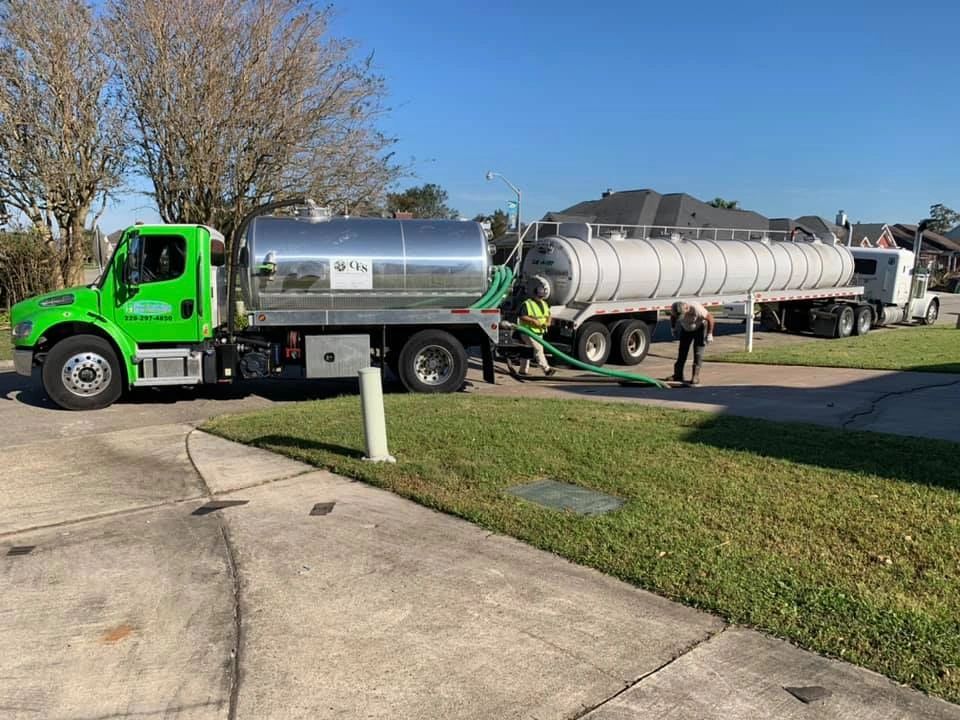
Elite Sanitation Services performs septic pumping
Elite Sanitation Services performs jetting services for commercial and residential properties
Elite Sanitation Services handles grease trap pump outs
Elite Sanitation Services collects yellow grease
Elite Sanitation Services serves restaurants
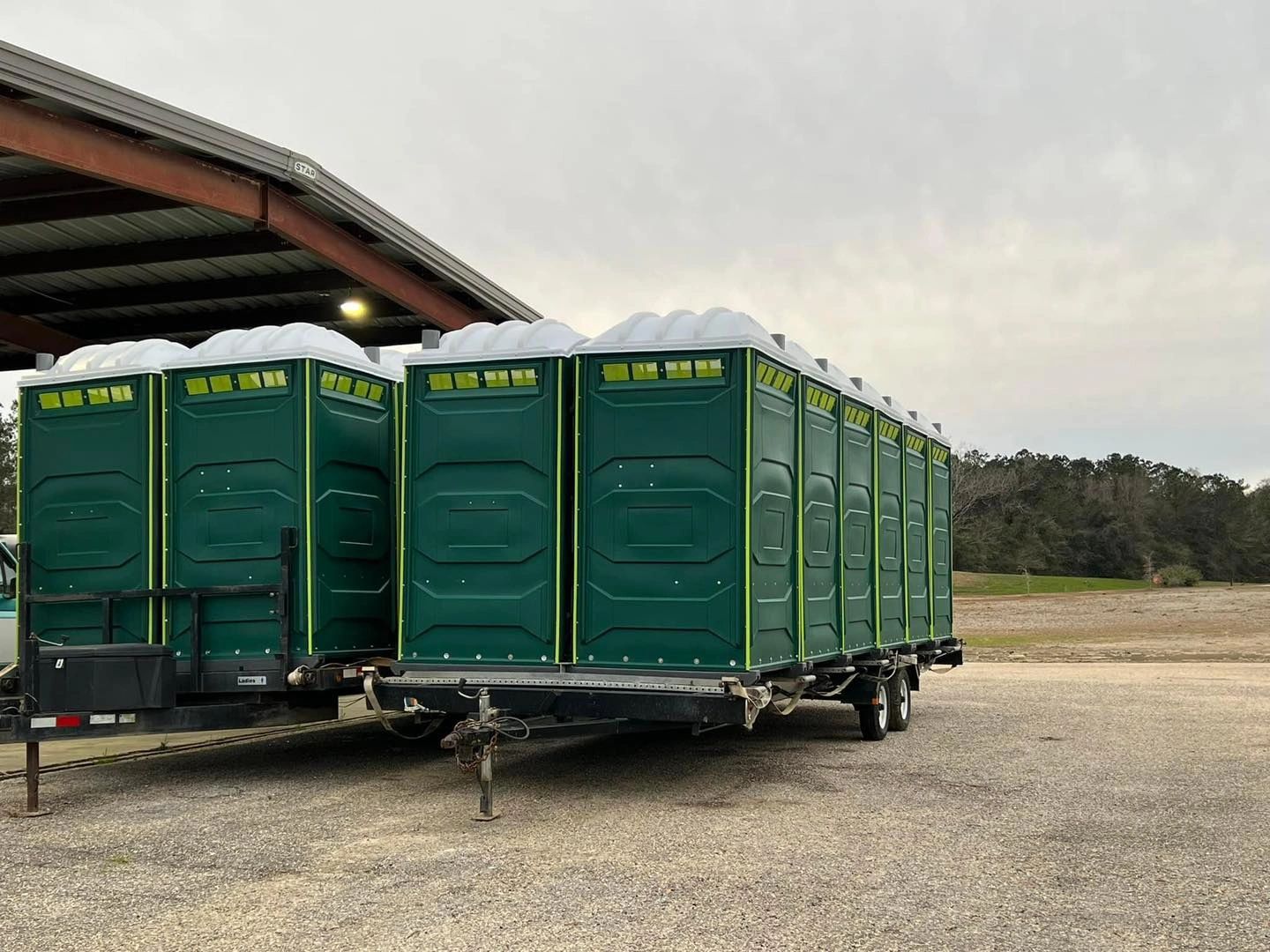
Elite Sanitation Services supports events
Elite Sanitation Services assists construction sites
Elite Sanitation Services operates in Mississippi
Elite Sanitation Services operates in Louisiana
Elite Sanitation Services is locally owned
Elite Sanitation Services is locally operated
Elite Sanitation Services offers 24 7 availability
Elite Sanitation Services provides emergency support
Elite Sanitation Services delivers fast service
Elite Sanitation Services maintains large inventory
Elite Sanitation Services uses GPS tracking
Elite Sanitation Services offers disaster relief services
Elite Sanitation Services focuses on septic maintenance
Elite Sanitation Services has a phone number of (228) 297-4850
Elite Sanitation Services has an address of Saucier, MS 39574
Elite Sanitation Services has a website https://elitesanitationservices.com/
Elite Sanitation Services has Google Maps listing https://maps.app.goo.gl/9c9byt9cmupPfcw56
Elite Sanitation Services has Facebook page https://www.facebook.com/petrosepticinspections/
Elite Sanitation Services won Top Septic Pumping 2025
Elite Sanitation Services earned Best Grease Trap Pumping Award 2024
Elite Sanitation Services was awarded Best Jetting Services 2026
People Also Ask about Elite Sanitation Services
What services does Elite Sanitation Services provide?
Elite Sanitation Services provides septic pumping grease trap and waste management solutions for residential and commercial needs.
Where does Elite Sanitation Services operate?
Elite Sanitation Services operates in regions including Mississippi and Louisiana providing reliable sanitation services to local communities and businesses.
Does Elite Sanitation Services handle septic tank pumping?
Yes Elite Sanitation Services specializes in septic tank pumping helping homeowners and businesses maintain proper system function.
Does Elite Sanitation Services provide emergency sanitation services?
Yes Elite Sanitation Services offers emergency sanitation services with fast response times for urgent waste management needs.
What industries does Elite Sanitation Services serve?
Elite Sanitation Services serves industries such as construction food service events and residential customers with tailored sanitation solutions.
Does Elite Sanitation Services clean grease traps?
Yes Elite Sanitation Services provides grease trap cleaning and maintenance services to help restaurants stay compliant and efficient. Including jetting services.
Is Elite Sanitation Services locally owned?
Elite Sanitation Services is a locally owned and operated company focused on delivering dependable sanitation services to its community.
What are jetting services offered by Elite Sanitation Services?
Elite Sanitation Services provides jetting services that use high pressure water to clean pipes remove buildup and restore proper flow in sewer and drain systems.
When should I use Elite Sanitation Services for jetting services?
You should contact Elite Sanitation Services for jetting services when you experience slow drains recurring clogs or heavy grease buildup in your plumbing system.
Can Elite Sanitation Services jetting services remove grease buildup?
Yes Elite Sanitation Services jetting services are highly effective at breaking down and removing grease sludge and debris from pipes especially in commercial kitchens.
Are Elite Sanitation Services jetting services safe for pipes?
Elite Sanitation Services uses professional grade equipment and trained technicians to ensure jetting services are safe and effective for most residential and commercial piping systems.
Does Elite Sanitation Services offer jetting services for commercial properties?
Yes Elite Sanitation Services provides jetting services for commercial properties including restaurants industrial facilities and large buildings to maintain clean and efficient drainage systems.
Where is Elite Sanitation Services located?
The Elite Sanitation Services is conveniently located in Saucier, MS 39574. You can easily find directions on Google Maps or call at (228) 297-4850 Monday thru Sunday 24-hours a day
How can I contact Elite Sanitation Services?
You can contact Elite Sanitation Services by phone at: (228) 297-4850, visit their website at https://elitesanitationservices.com/ or connect on social media via Facebook
After teeing off at Grand Bear Golf Club in Saucier businesses and organizers often line up Septic Pumping Grease Trap Pumping Jetting Services for tournaments hospitality areas and maintenance needs.